
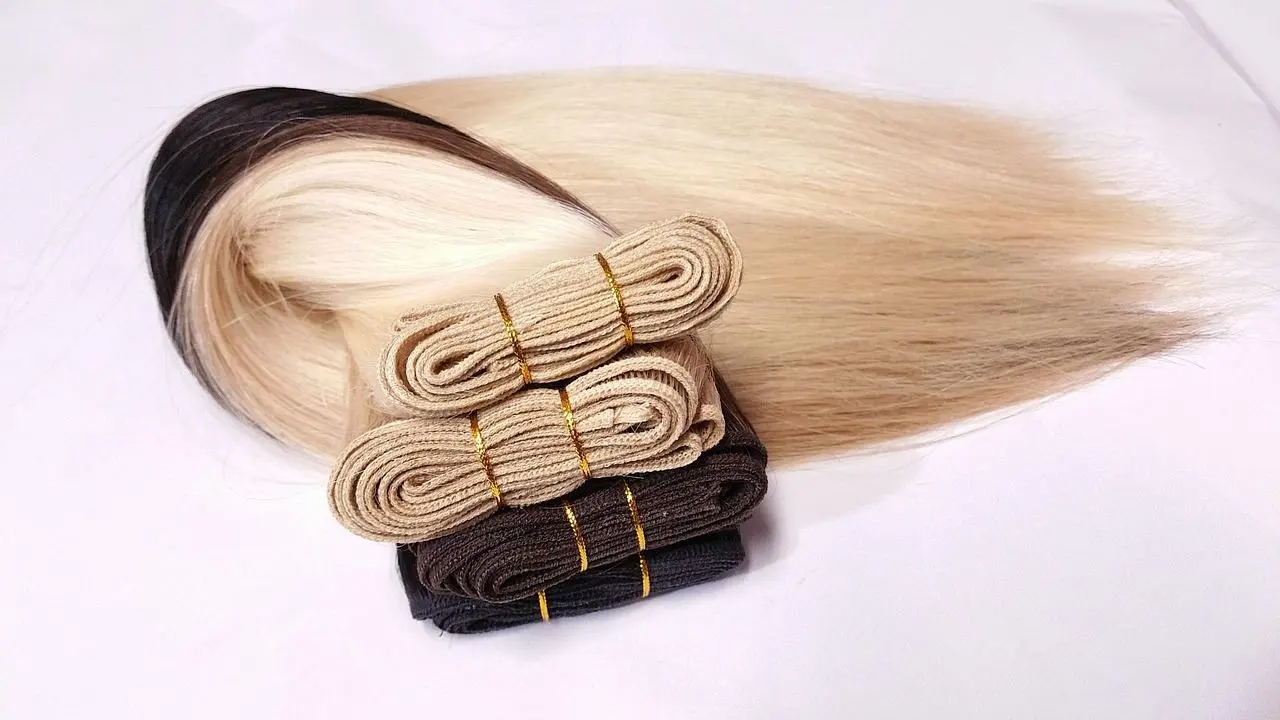
Wondering which types of hair extensions suit you? The main choices are clip-ins, tape-ins, sew-ins, fusion, microlinks and halos. Pick by how long you want them to last, who installs them and your hair’s thickness.
| Item | Value |
|---|---|
| Clip-in install time | 5 to 15 minutes |
| Tape-in install time | 45 to 60 minutes |
| Sew-in wear before repositioning | 8-10 weeks |
| Fusion install time | 2 to 4 hours |
| Fusion adjustment visit | 8 to 12 weeks after install |
| Typical synthetic extension lifespan | 1-3 months |
Install and wear times come from StyleSeat’s guide to types of hair extensions, and the synthetic lifespan comes from a retailer’s guide from Perfect Locks. These figures can change and vary by stylist, so check the source before you rely on them.
The main types of hair extensions at a glance
All extensions do the same job: they blend wefts or strands of hair into your own to add length, volume, color, or all three. The real differences are how they attach, who installs them and how long they stay in, as StyleSeat explains.
The methods sort into three groups:
- Temporary, wear-at-home: clip-ins and halos.
- Weft and tape methods: tape-ins, glue-ins, hybrid (flat-tip) wefts and hand-tied wefts.
- Long-wear methods: sew-ins, fusion (bonded) and microlinks.
Names are not consistent between sources. Donna Bella Hair lists glue-in as another name for fusion, while StyleSeat treats glue-ins as a separate, shorter-term method. When you talk to a stylist, describe how the hair attaches (clip, tape, bead, bond or braid) so you both mean the same thing.
If length and volume are your main goals, the page on hair extension lengths and volume helps you think through both before you pick a method.
Clip-ins and halos: temporary options you can wear at home
Clip-in extensions are wefts with sewn-in clips that snap onto your own hair. StyleSeat says they take 5 to 15 minutes to install at home and that quality sets can last up to six months or longer with proper care. Perfect Locks, a retailer, puts the lifespan at about a year with care.
Prices vary widely. Perfect Locks lists $150-$400 for a full set, while Walker Tape Co gives $50-$450 and notes that cost depends on the quality, type and length of the hair.
The trade-offs, according to StyleSeat and Perfect Locks, are simple:
- You remove them before bed, which adds a step to your nighttime routine.
- Wearing them for too long may cause traction alopecia, because they add weight to your hair.
- They can slip out of thin hair, although seamless clip-ins with thinner wefts lay flatter on very fine hair.
Walker Tape Co also recommends taking clip-ins to a salon to be cut or trimmed so they blend with your natural hair. Once they are in, the page on hairstyles with extensions shows ways to wear them.
Halo extensions work differently because they don’t attach directly to your hair. A semicircle of hair drapes from a round wire that rests over your crown, and you cover the wire with your own hair. Because they need nothing but gravity and a little combing, StyleSeat says they can be safer than glue or clip-in extensions for hair that has been damaged or has shown signs of thinning.
Tape-ins, glue-ins and other weft methods
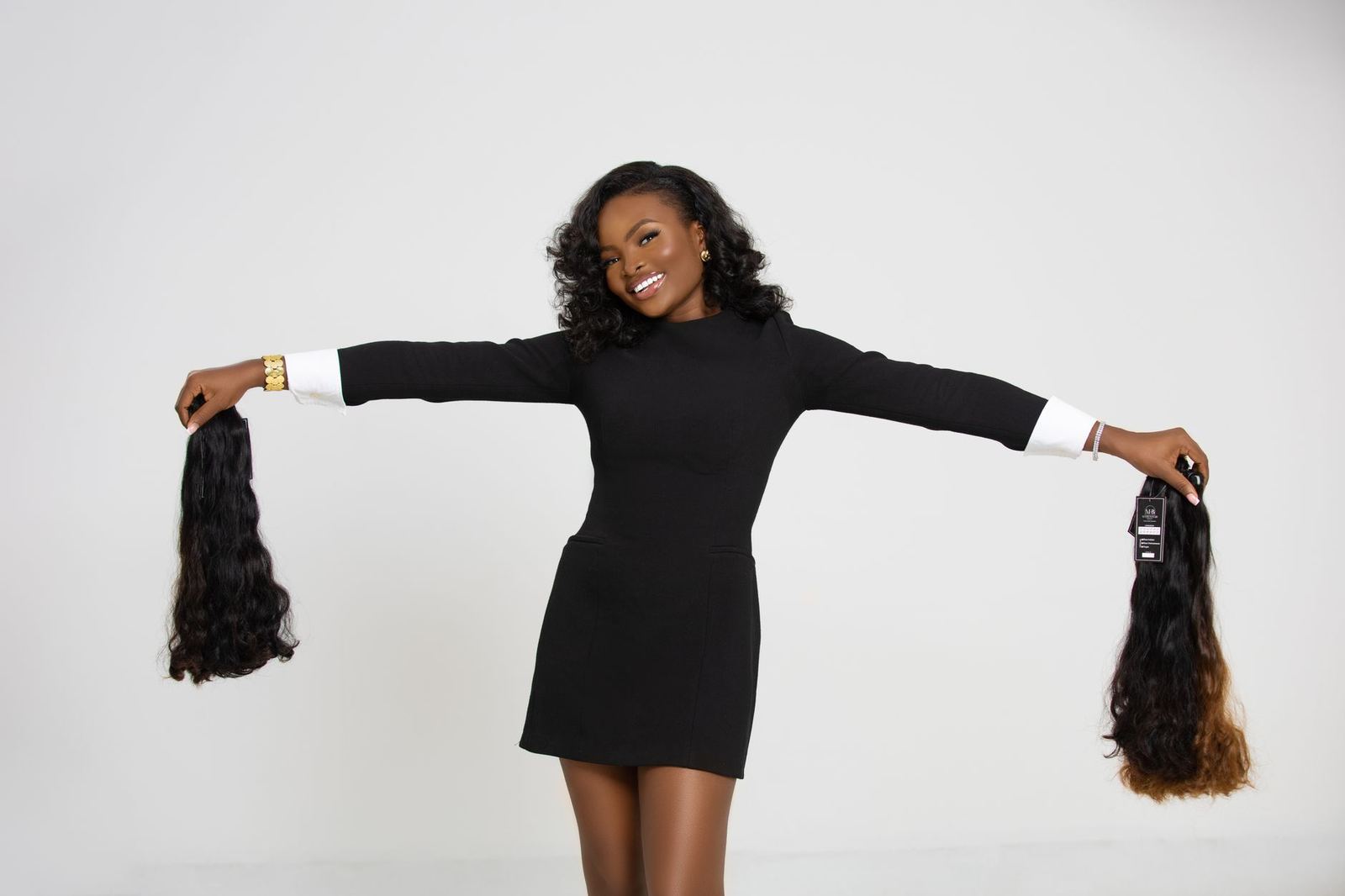
Tape-in extensions use a strip of adhesive tape one inch wide to hold each weft against your hair. StyleSeat says installation takes 45 to 60 minutes and that you should have them removed within five weeks to reposition them. America’s Beauty Show says they last about 4-8 weeks, and Walker Tape Co suggests maintenance every 5-6 weeks.
That spread means your stylist’s advice should set your schedule. Tape-ins are reusable, and StyleSeat calls them gentler than other methods and an especially great option for thin hair. The catch is that they can slide off if you use oil-based hair products, so ask which products are safe.
On cost, Walker Tape Co gives an average range of $300-$900 for tape-ins, including the service fee and the hair. That wide range reflects different hair, lengths and salons.
If you are stuck between the two most common starting points, the comparison of clip-in vs tape-in extensions takes the question further.
Glue-ins use hair balm on the base of the weft, attached at your hairline. StyleSeat says installation lasts about 50 minutes and a set can last from four to eight weeks. The method can damage hair if too much balm is applied or the extensions are installed or removed incorrectly.
Hybrid wefts, which Donna Bella Hair calls flat-tip, pair a bead attachment with a small weft below it. The brand says this helps them lay flatter against the head and cover more surface area.
Hand-tied is another weft style: Perfect Locks lists machine, hand-tied, hybrid and beaded wefts as separate options. The page on hand-tied weft extensions covers that style more closely.
Sew-ins, fusion and microlinks: long-wear methods
These methods stay in for weeks or months, so they cost more and need a trained installer. Each trades convenience for a different kind of risk.
Sew-ins (weaves) start with your natural hair braided down. A stylist then sews the extensions into the braids with a needle and thread, and StyleSeat says this takes one to two hours and can last as long as 8-10 weeks without repositioning. If the braids feel too tight, tell your stylist, because you shouldn’t leave the salon in pain.
America’s Beauty Show says sew-ins suit thicker or highly textured hair better, because they place too much tension on fine or thin hair types.
Fusion (pre-bonded or hot fusion) is fused into your hair with keratin glue and a heat clamp. StyleSeat says it typically takes two to four hours to install, with a visit after eight to 12 weeks to reposition. Walker Tape Co gives $400-$1,800 including service fee and hair, and says the hair is not reusable.
Microlinks (also called cold fusion or microbead) thread small sections of your hair through a small bead. StyleSeat calls them one of the most secure types and says installation can take several hours in a salon. Donna Bella Hair notes they need no glue or heat to attach.
Wear time for microlinks varies by source. America’s Beauty Show says about 2-3 months before repositioning, while Donna Bella Hair says three to six months with consistent touch-ups.
| Method | Installation | Wear before adjustment |
|---|---|---|
| Sew-in | 1 to 2 hours | Up to 8-10 weeks |
| Fusion | 2 to 4 hours | 8 to 12 weeks |
| Microlink | Several hours | About 2-3 months |
The table combines figures from StyleSeat and America’s Beauty Show. Stylists set their own schedules, so check the sources and treat these as ranges rather than promises.
Human hair or synthetic extensions
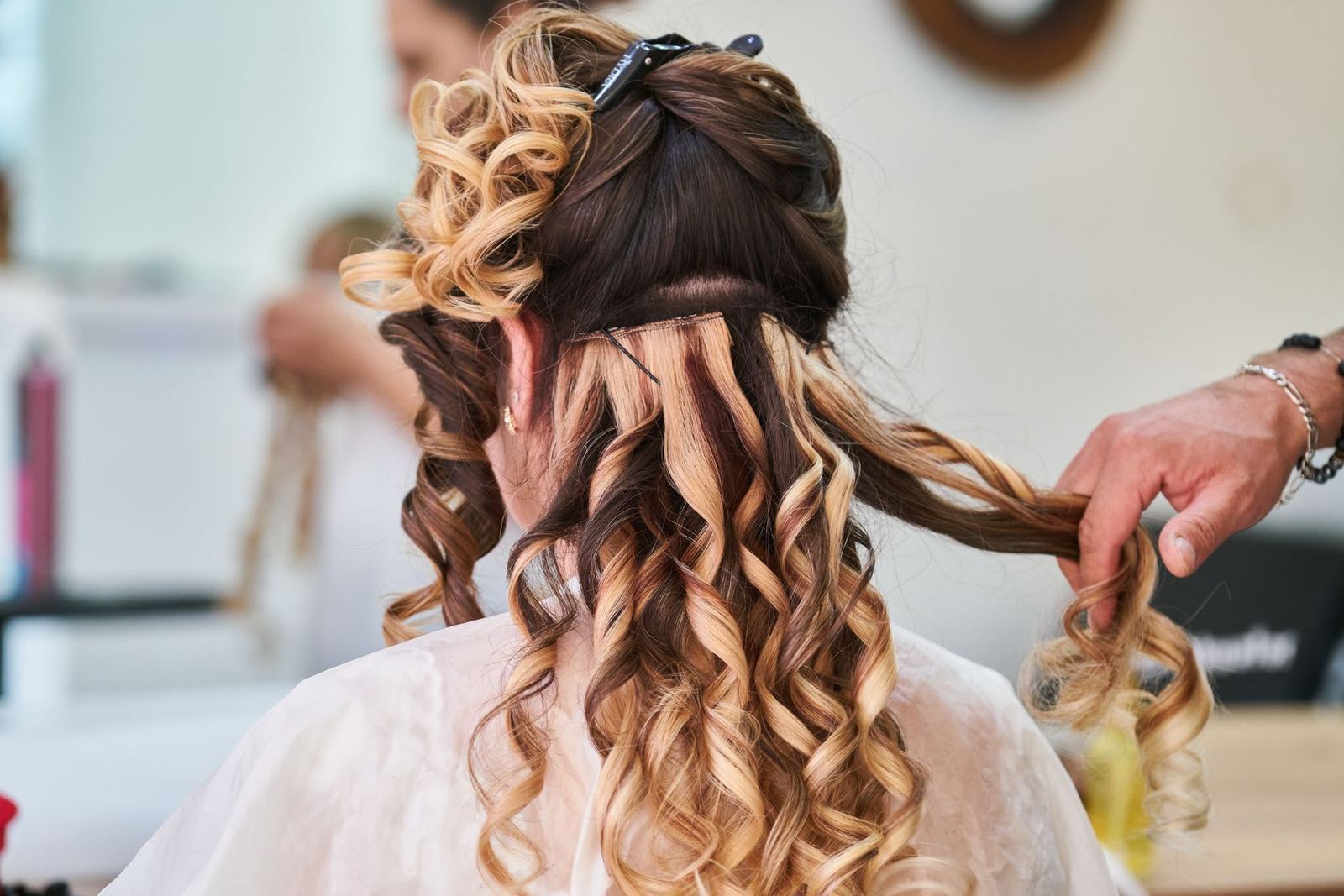
Before you pick an attachment method, decide on the hair itself. Perfect Locks, which sells human hair, says it can be heat styled, colored and washed like your own, and it expects 12+ months of wear from clip-ins and halos and 6-12 months from salon methods with proper care.
The same guide describes synthetic extensions as plastic fibers designed to mimic hair. They cost less upfront, but they cannot be heat styled (they melt), cannot be colored and typically last only 1-3 months.
If you buy human hair, look for Remy. America’s Beauty Show explains that this means the cuticle layer is intact and all hairs run in the same direction, which matters because hairs placed upside down in a bond or weft can lead to tangles.
For a fuller comparison, read about human hair vs synthetic extensions. If you plan to use hot tools, learn how to style hair extensions with heat before you buy.
How do you choose the right type of hair extension?
America’s Beauty Show says the best method comes down to a few essential factors:
- Hair type
- Hair density
- Upkeep
- Desired result: length, volume or both
- Budget
Then match the method to your situation:
- Trying extensions with no commitment: clip-ins or halos, which you put in and take out at home.
- Thin or fine hair: tape-ins or halos, which the sources above describe as gentler options.
- Thick hair and long wear: StyleSeat suggests fusion for thicker hair that makes clip-ins or microlinks tricky, and sew-ins also suit thick or highly textured hair.
- No balm or heat: sew-ins and microlinks, which StyleSeat describes as long-lasting and free of balm or heat.
The page on hair extensions for thin hair goes further if your hair is fine. Color comes next, and how to match hair extension color covers that step.
Budget carefully, because Walker Tape Co says that with so many methods, a true cost can only be given at a consultation. Installation cost depends on the method and on the density of your natural hair.
After you choose, the hair extension care guide is the next stop for upkeep. Readers in Southern California can also start with the page on hair extensions in los angeles for the local picture.
Frequently asked questions
Which type of hair extension is the least damaging?
Show answer
America’s Beauty Show says clip-ins, when attached properly, are the least damaging of the options, and StyleSeat says halos can be safer than glue or clip-ins for damaged or thinning hair. Any method can cause trouble if it is installed or removed badly or fitted too tight.
How long do hair extensions last?
Show answer
It depends on the method. StyleSeat says clip-ins can last up to six months or longer with care, tape-ins need repositioning within five weeks, sew-ins last as long as 8-10 weeks and fusion needs a visit after 8 to 12 weeks. Perfect Locks says synthetic extensions typically last only 1-3 months.
Can I install hair extensions myself?
Show answer
Clip-ins can be installed at home, and StyleSeat says halos are extremely easy to put in and take out at home. The same source says tape-ins should probably be handled by a pro, and the long-wear methods above are salon work.
Can I reuse my extensions?
Show answer
Often, but it depends on the method. StyleSeat says tape-ins can be reused, America’s Beauty Show says microlink hair can usually be reused, and the same source says fusion hair is discarded once taken out.