
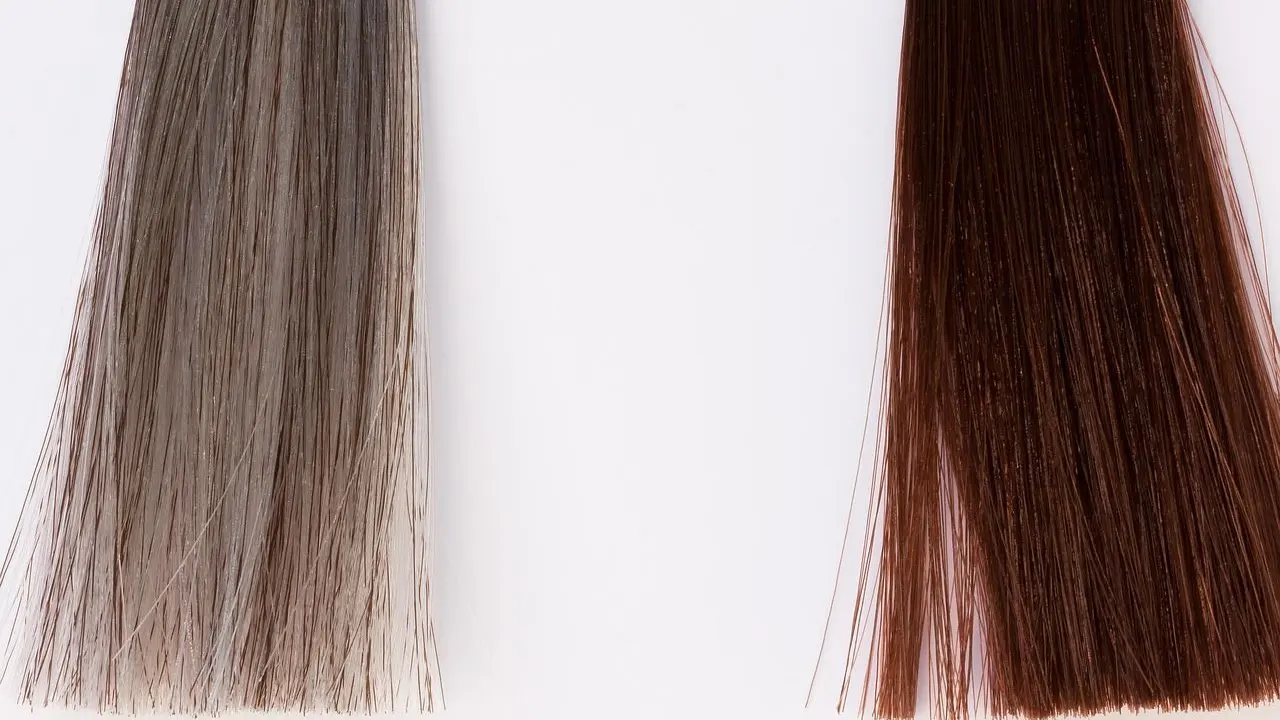
Worried your extensions will look like a different head of hair? Here is how to match hair extension color: pick your hair’s level and undertone, then match the mid-lengths and ends in natural daylight.
This guide is part of our look at types of hair extensions, where color is one of several choices that decide how natural a set looks.
| Item | Value |
|---|---|
| Hair level scale | Level 1 (Black) to Level 10 (Lightest Blonde) |
| Undertone options | Warm, Neutral or Cool |
| Where to match | Mid-lengths and ends, not roots |
| If you fall between two shades | Go with the lighter one |
| Color swatch price at one retailer | $5 USD each |
| Return window at the same retailer | 60-day return and exchange policy |
These figures come from the help pages of Luxy Hair, a retailer named here only as a neutral example: its level and undertone guide and its color selection page. Prices and policies can change, so check the source before you rely on them.
Start with level, undertone and color pattern
A wrong shade is the quickest way to make a set obvious. One brand’s help guide breaks your hair into three traits, and the first is hair level, which runs from Level 1 (Black) to Level 10 (Lightest Blonde).
- Level: how light or dark your hair is.
- Undertone: whether your hair leans warm, neutral or cool.
- Color pattern: whether your hair is solid, highlighted or dimensional, balayage, or root melt.
The undertone is where most mismatches start. The same guide describes warm as golden, honey, caramel, copper, buttery and chestnut tones, and cool as ash, smoky, pearl, silver and icy tones that minimize warmth.
Neutral sits in between, with balanced tones such as beige, mushroom, soft brown and natural blonde. Getting this wrong matters because, as a Bombay Hair guide puts it, incorrect color matching can create obvious lines or harsh contrasts between your natural hair and extensions.
Which part of your hair should you match?
Not your roots. Luxy Hair’s color page says the right shade starts with matching the mid-lengths and ends of your hair rather than your roots.
Other sources lean the same way with a small difference. Christian Michael Hair Extensions recommends focusing on the ends, because that area often dictates the overall appearance. The Lauren Ashtyn Collection’s color guide calls the mid-lengths your hair’s most accurate baseline, since roots are often darker and ends may be lighter or more faded.
If your ends are clearly lighter than the rest, as can happen with sun exposure, use the mid-lengths as your anchor and compare the ends separately.
How to check your undertone and true color at home
Lighting is the biggest trap. Perfect Locks says the most common color matching mistake is using indoor photos or direct flash, and that natural daylight is the only reliable light source for accurate color assessment, as its color matching guide explains.
Work through these steps by a window or outdoors:
- Stand in soft, indirect daylight rather than under bathroom or phone light.
- Hold a white towel next to your hair. The Lauren Ashtyn guide suggests observing it in soft, indirect daylight to spot your undertone.
- Try the jewelry test. Ugeat’s support guide says that if gold looks better against your hair your undertone is warm, and if silver is more flattering it is cool.
- Take photos in natural light that show your hair from roots to ends, as Luxy Hair advises on its color page.
- Compare the roots, which are your natural color, with the ends, which Ugeat notes may be lighter due to sun exposure.
What if you fall between two shades?
Go lighter. Luxy Hair’s advice is that when you are in between shades, the lighter one will look like highlights on your hair.
Its level guide repeats the same rule: go with the lighter of the two for the best possible blend. The brand also says its multi-tonal coloring system helps extensions blend naturally even if your hair is not an exact match.
This is why the color pattern matters. If your own hair has highlights or balayage, a single flat shade can look out of place, so look for dimensional options rather than one solid color.
Test before you commit
A screen can never show you the exact shade, so test in person where you can. These are the options the sources describe:
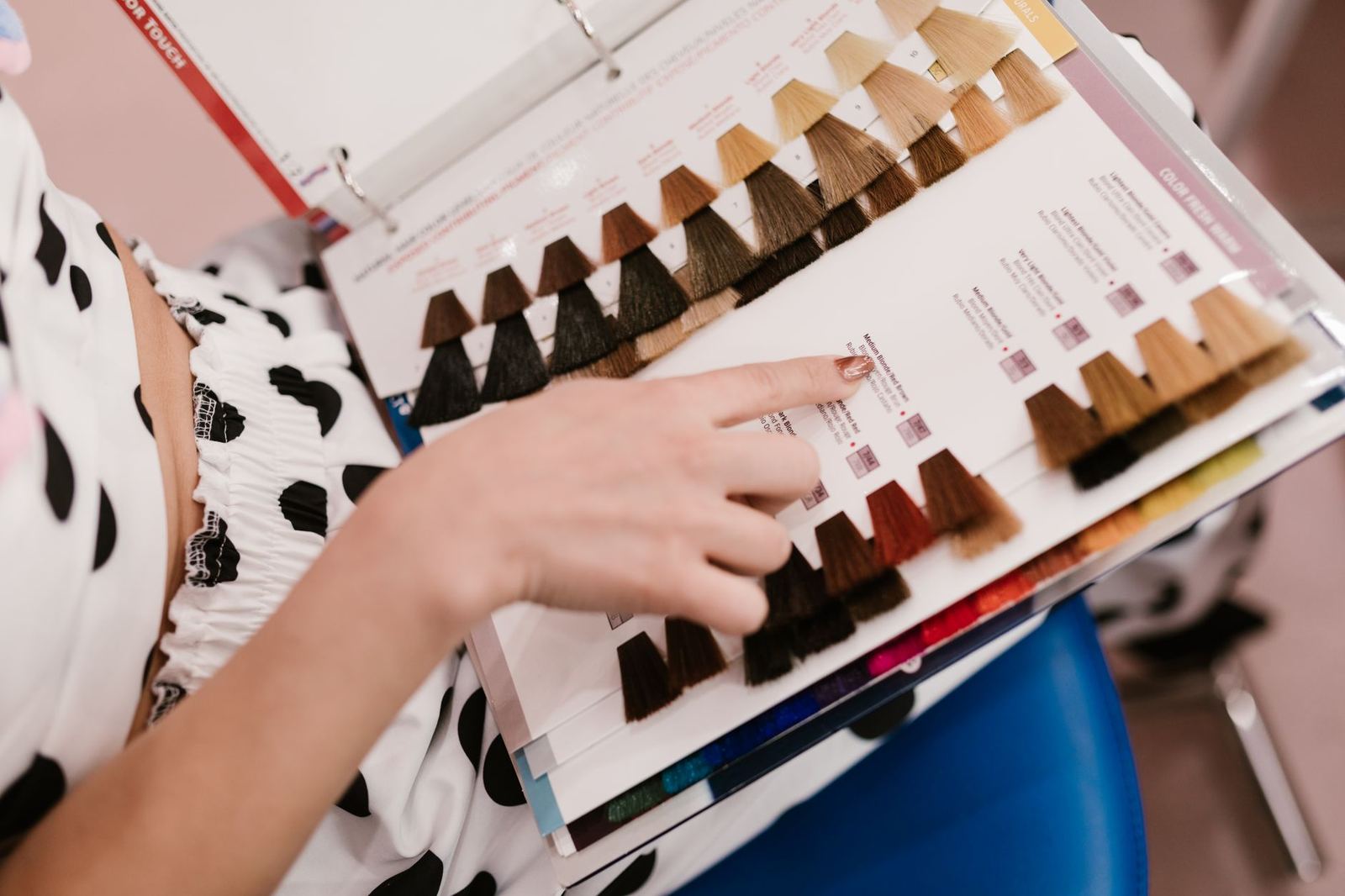
- Swatches: Luxy Hair lists color swatches at $5 USD each, or a swatch bundle, to compare shades at home on its color page.
- Tester weft: the same page says every full set includes a tester weft to test the shade in person, backed by a 60-day return and exchange policy.
- Face-framing check: Ugeat suggests clipping a small section near your face to check the match.
Return rules differ between sellers. Ugeat’s guide advises asking the brand about its return policy in case the color is not right.
Fixing a near miss
A close match is often good enough once it is adjusted. Luxy Hair says its human hair sets can be professionally dyed darker or toned, and Ugeat says human hair extensions can be dyed or toned by a professional.
If you are still deciding on material, our guide to human hair vs synthetic extensions covers how the two differ. Fine hair raises its own questions about weight and placement, which hair extensions for thin hair addresses in full.
For small differences, Ugeat’s styling tips include:
- Curl or wave your hair to blend slight color differences.
- Braid sections to disguise any mismatched tones.
- Use a root spray or powder for temporary touch-ups.
Perfect Locks’ founder says getting the color right is the single most important factor in natural-looking extensions, so it is worth the extra swatch.
Frequently asked questions
Should I match my roots or my ends?
Show answer
Match the mid-lengths and ends rather than the roots, according to Luxy Hair’s color page. The Lauren Ashtyn Collection adds that roots are often darker, so they make a poor baseline.
Should I pick lighter or darker if I’m between shades?
Show answer
The sources point to the lighter shade, because it reads as highlights on your hair. Luxy Hair gives this advice on its level guide.
Can I choose a shade from a photo?
Show answer
Yes, if the photo is taken well. Use natural light, show your hair from roots to ends, and avoid indoor photos or direct flash, which Perfect Locks calls the most common color matching mistake.
Can extensions be dyed to match better?
Show answer
Human hair extensions can be dyed or toned by a professional, according to Ugeat. Luxy Hair says its sets can be professionally dyed darker or toned, so going lighter afterwards is not what that source describes.