
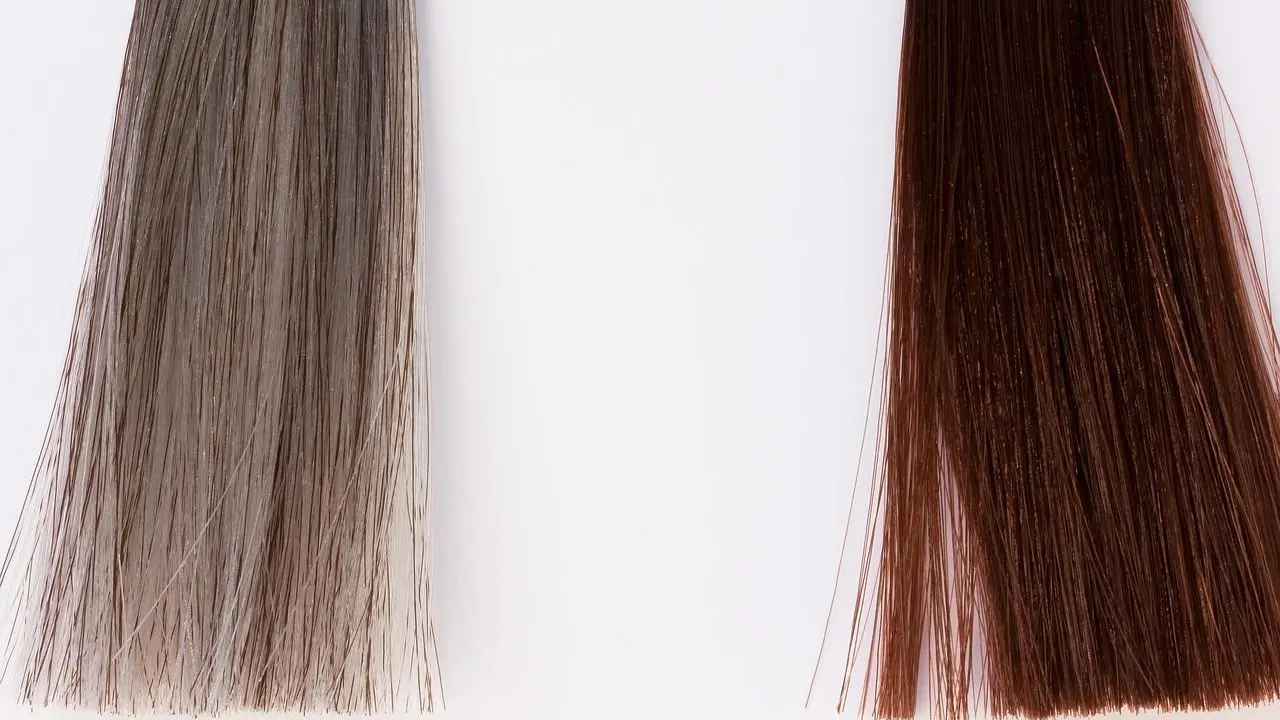
Torn between human hair vs synthetic extensions? Human hair usually wins on look, feel and styling, while synthetic suits short-term, lower-cost wear. Here is how to decide for your situation.
Human and synthetic fiber are two choices within the wider range of types of hair extensions.
| Item | Value |
|---|---|
| Human hair extension lifespan with care | 3 to 12 months |
| Machine Remy hair that is cuticle intact | At least 95 percent |
| Washing routine for Remy extensions | 1-2 times per week |
| Conditioning routine for Remy extensions | 2-3 times per week |
| Synthetic hair and heat or color | Cannot be colored or heated without risking damage |
These figures come from Brighton Journal’s March 2021 comparison and Donna Bella’s guide to quality types. Figures can change, so check the source before you rely on them.
What is the difference between human and synthetic hair?
Natural extensions are made from 100% human hair, according to Viola Hair Extensions’ June 2024 guide. That guide calls Remy hair, where the cuticles are aligned in the same direction, the most desirable type because it minimizes tangling.
Synthetic extensions are made from synthetic fibers. As Donna Bella puts it, they are not human hair at all.
Human hair also comes in grades, and the grade changes how it behaves:
- Virgin Remy: collected from a single donor with all strands facing one direction, which Donna Bella calls the highest quality on the human hair market.
- Machine Remy: at least 95 percent of the hair is cuticle intact after machine processing, per Donna Bella. It can need extra care to prevent tangling.
- Partial or non-Remy: cuticles lie in both directions, so the hair is more prone to tangling, matting and dullness.
Some non-Remy hair is chemically processed to remove the cuticles and then coated with a silicone sealer or filler. Washing, drying and heat styling can wear that coating off, leaving a dry, rough texture.
Look, feel and color
Human hair has the edge on realism. Brighton Journal says multi-tonal technology gives human extensions natural shades that synthetic ones cannot match.
The same article says synthetic extensions usually come in a single color, are not easy to dye, and mostly have warm tones. Donna Bella adds that synthetic hair does not move or lay naturally and lacks the softness and bounce of Remy hair.
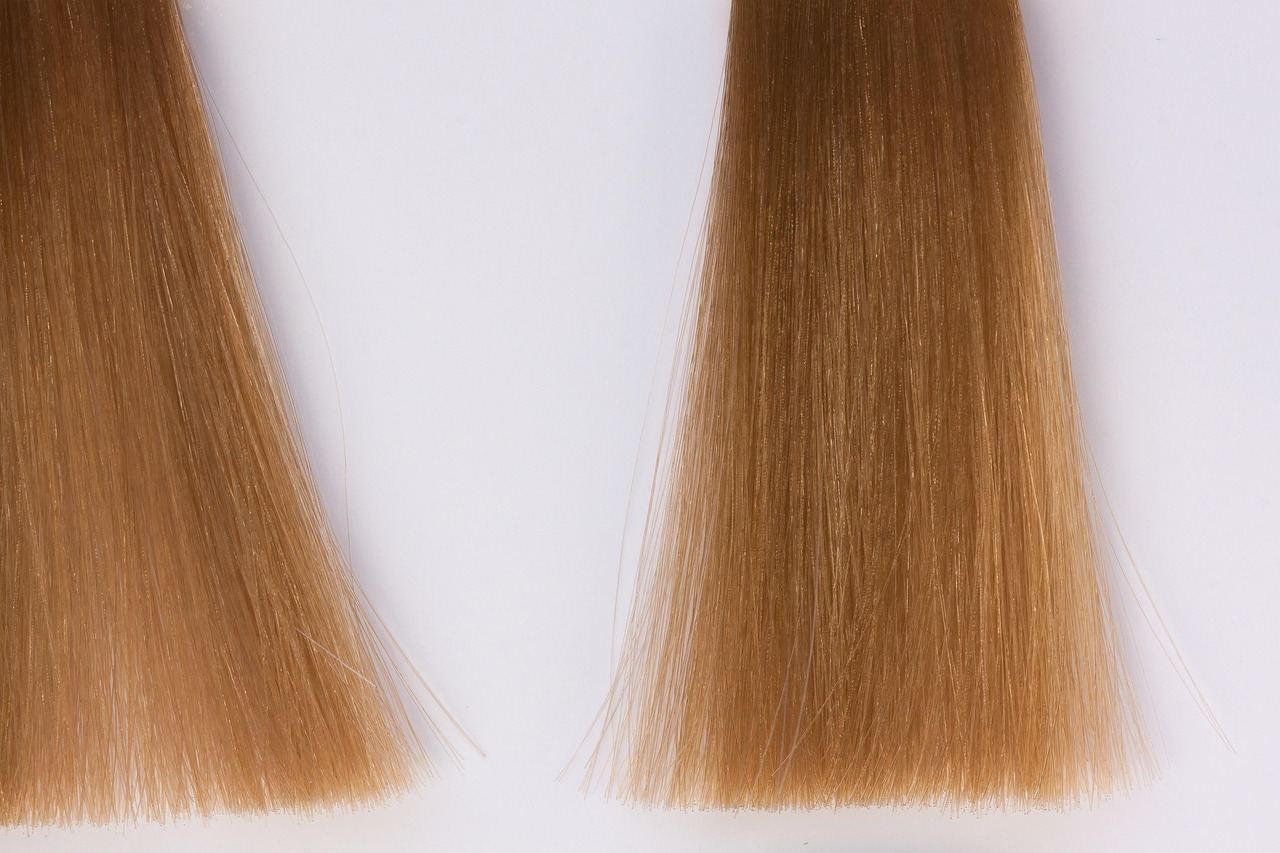
The gap may be narrowing at the high end, though. A wig retailer, Front Room Underfashions, notes that modern synthetic wigs can look close to real hair. It also warns that the closer you get to the real deal, the higher the price goes.
That comment is about wigs, not extensions, so treat it as a hint rather than a rule. If color blending matters to you, read up on how to match hair extension color before you buy either type.
Heat styling and daily care
Heat is the clearest dividing line. Donna Bella says synthetic hair cannot be colored or heated without risking damage, and that a curling iron or straightener can melt it and damage your hot tools.
Brighton Journal says human extensions can bear high temperatures and still look fine. Donna Bella still recommends a heat protectant before blow drying or styling.
Human hair needs a real routine. Donna Bella’s tips for keeping Remy extensions in shape include:
- Wash your hair 1-2 times per week and condition 2-3 times per week (Donna Bella).
- Use sulfate free hair products.
- Brush often with an extension brush.
- Use a heat protectant before blow drying or styling.
- Keep your regular maintenance and move-up appointments.
The wig retailer above says synthetic wigs hold their style longer and may need less maintenance, though they are not maintenance-free. It also suggests synthetic if you live somewhere humid, because it handles that climate better. That advice concerns wigs, so ask a stylist how it applies to extensions.
Lifespan and cost
Brighton Journal says human hair extensions can last 3 to 12 months if used with care. It adds that synthetic extensions are made to be used for a short time.
Donna Bella describes synthetic hair as budget-friendly but a short-term solution with limited longevity. It also warns that the cheapest extensions often are not comfortable to wear and fall apart quickly.
The Brighton Journal piece dates from 2021 and gives a wide range. Your own results will depend on the hair grade, the attachment method and how well you look after the hair.
Which one should you choose?
Match the hair to how you plan to wear it. Human hair is the better fit if:
- You want to heat style or color the extensions.
- You want a natural blend, movement and feel.
- You plan to wear them for months, not days.
Synthetic is the better fit if:
- You need a low-cost, short-term look, for example for one event.
- You do not plan to use heat tools on them.
- You accept less natural movement and fewer color options.
If you go with human hair, it helps to know how the hair is attached, and hand-tied weft extensions are one method to read about. A stylist can confirm which hair type and method suit your own hair before you commit.
Frequently asked questions
Can you heat style synthetic hair extensions?
Show answer
Not safely, according to Donna Bella. It says a curling iron or straightener can melt synthetic hair and damage your hot tools.
How long do human hair extensions last?
Show answer
Brighton Journal’s March 2021 article says 3 to 12 months with careful use. Treat that as a guide, not a guarantee.
Can you dye synthetic extensions?
Show answer
Brighton Journal says synthetic extensions are not easy to dye, and Donna Bella says they cannot be colored without risking damage. If you want a custom shade, human hair is the safer route.
What does Remy hair mean?
Show answer
Remy hair has its cuticles aligned in the same direction, which Viola Hair Extensions says minimizes tangling and keeps a natural look and feel.