
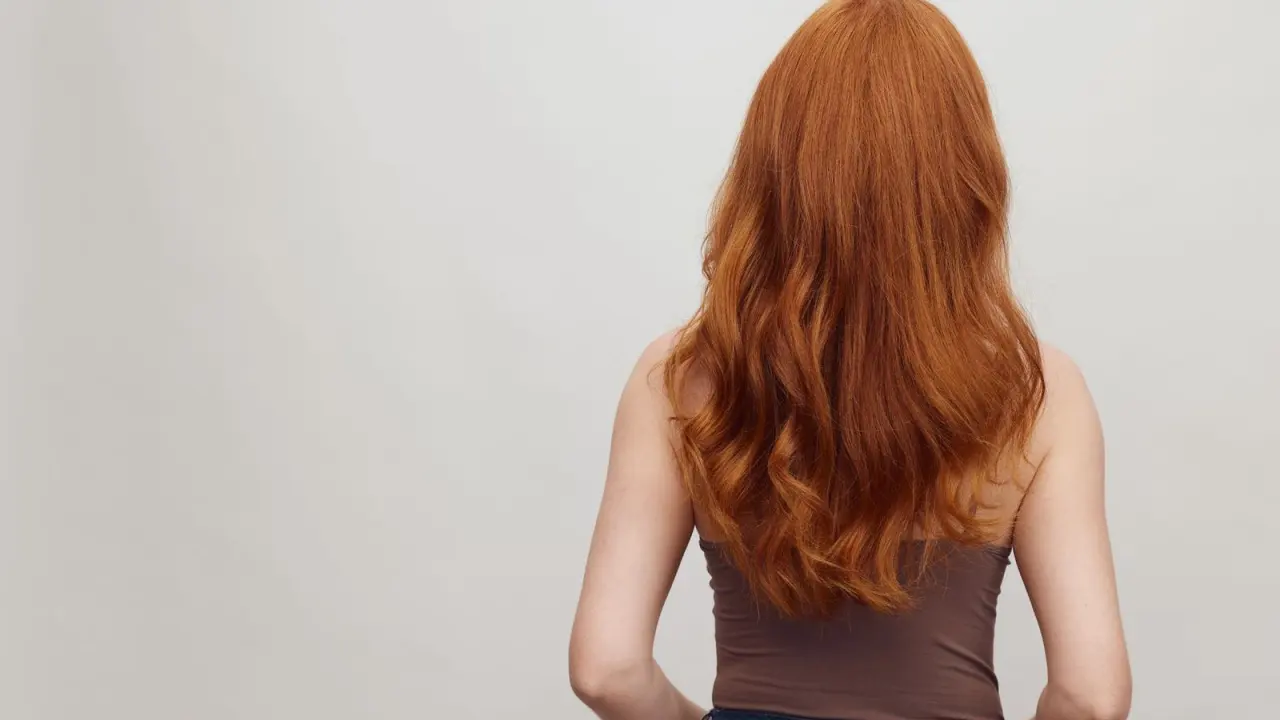
Worried your extensions will look obvious? Matching hair extension lengths and volume to your natural density is what makes them blend. Choose weight by how thick your hair is, then add length gradually.
This guide sits within the wider overview of types of hair extensions, so it works best once you know which method suits you.
| Item | Value |
|---|---|
| Natural Volume clip-in range | 45-125g |
| Full Volume clip-in range | 125-210g |
| Extra Full Volume clip-in range | 210-270g |
| Tape-in minimum for volume or length | 4 packs |
| Tape-in minimum for a full head | 6 packs |
| Hand-tied weft minimum for volume | 2 packs |
These figures come from Bombay Hair’s weight guide (posted April 20, 2026) and Perfect Locks’ quantity guide (updated June 17, 2026). Retailers change their ranges, so check the source before you rely on them.
Why weight matters more than length
Most people shop by inches, but the weight of a set, measured in grams, decides how full the result looks. Bombay Hair’s guide calls picking the wrong weight the most common hair extension mistake.
The two ways to get it wrong look different:
- Too light: the result is wispy and see-through, and it won’t blend with your own hair.
- Too heavy: you end up fighting your clips all day, and the set sits badly.
The same guide gives a clear example: a 220g set looks incredible on medium-density hair, yet on very fine hair the same 220g looks chunky and obvious. Its summary is that weight is about proportion, not preference.
Matching hair extension volume to your density
Your natural density sets the ceiling. Perfect Locks says that if you have thick hair you need more hair for a fuller, natural look, while fine hair generally needs less.
Bombay Hair sorts its clip-in sets into three volume tiers by weight in grams (g), as of its guide posted April 20, 2026:
- Natural Volume: 45-125g
- Full Volume: 125-210g
- Extra Full Volume: 210-270g
Ranges are not universal. Cliphair lists its full-head clip-in sets under different labels:
- Seamless full head: 150-190g
- Classic full head: 130g
- Double weft full head: 180-220g
- Ultra-volume full head: 240-300g
- Curly full head: 115-160g
Because a retailer’s “full” is not another’s “full”, compare grams rather than names.

How do you add length without losing the blend?
Length and volume pull in different directions. Bombay Hair notes that a 160g set on thick hair is harder to blend if you are adding length, yet works well for extra volume, because thicker hair needs thicker extensions to blend when you lengthen it (source).
Perfect Locks shows the same logic in its pack minimums for hand-tied wefts: 2 packs for volume but 4 for length (source). Extra length simply takes more hair than extra fullness.
In practice, that means you should decide which goal matters most before you choose a set. If you are still comparing methods, the guide to clip-in vs tape-in extensions is a useful next read.
How many packs do permanent methods need?
Semi-permanent methods are sold by the pack rather than by the set. For tape-ins aimed at volume, Perfect Locks’ chart (updated June 17, 2026) advises:
- Fine density: 3 to 4 packs
- Medium density: 4 to 6 packs
- Thick density: 6+ packs
Its stated minimums are listed below (Perfect Locks):
- Tape-ins: 4 packs for volume and length, 6 packs for a full head
- Hand-tied wefts: 2 packs for volume, 4 for length
- Machine wefts: 2-3 packs
Pack sizes differ between brands, so always check how many grams each pack holds before you compare counts.
A simple way to decide
- Judge your natural density: fine, medium or thick.
- Decide whether you want volume, length or both.
- Pick a weight range that fits your density, not simply the biggest set on offer.
- Check the grams or pack count against the retailer’s own chart.
- Weigh the practical factors below.
Perfect Locks lists the factors that shape how much hair you need (source):
- Length of wear
- Degree of discreet installation
- Lifestyle
- The hairstyle you have in mind
- Budget
Once the fit is right, read about how to style hair extensions with heat to finish the look.
Frequently asked questions
Is a heavier set always fuller and better?
Show answer
No. Bombay Hair’s guide says weight should match your density, and that a heavy set on very fine hair looks chunky and obvious (source).
Do thick and fine hair need different amounts?
Show answer
Yes. Perfect Locks says thick hair needs more hair for a fuller natural look, while fine hair generally needs less (source).
Can I add volume without adding much length?
Show answer
Yes. A lighter set can suit thick hair when your goal is volume, according to Bombay Hair, though it is harder to blend if you are lengthening (source).
What if I cannot tell which density I have?
Show answer
Perfect Locks advises consulting a professional hair stylist for the best results (source). A stylist can judge your density in person.