
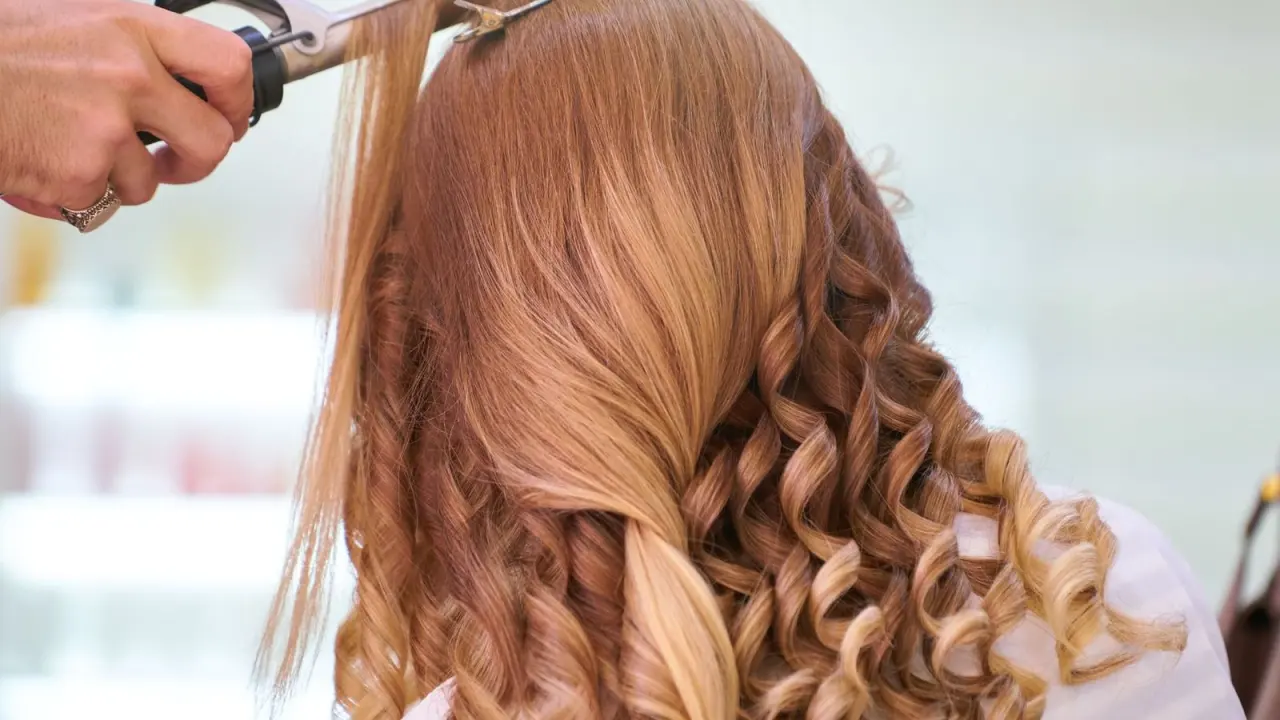
Worried a flat iron will wreck your new extensions? Here is how to style hair extensions with heat: keep human hair at 250-300°F, use heat protectant every time, and never go above 350°F.
This guide is part of the wider rundown of types of hair extensions, because the attachment method decides where heat can safely go.
| Item | Value |
|---|---|
| Ideal iron temperature | 250-300°F |
| Ceiling for occasional use | 350°F |
| Blonde or colored extensions | 250-275°F |
| Typical maximum iron setting | 450°F |
| Curl hold time | 8-10 seconds |
| Curl section size | 1-inch sections |
These figures come from the Perfect Locks heat styling guide, as of its September 2026 update. Tools, hair and brand advice vary and figures can change, so check the source before you rely on them.
What temperature is safe for hair extensions?
Human hair extensions can be heat styled, but they get no scalp oils, so dryness from heat is not replenished naturally. As Bombay Hair’s temperature guide puts it, use the lowest heat that gets the job done.
The Perfect Locks guide sets an ideal range of 250-300°F and a ceiling of 350°F for occasional use. Most irons go to 450°F, and your extensions should never see that number.
Use these starting points and only go up if a style will not hold:
- Everyday curling or straightening: 250-300°F, per the Perfect Locks guide.
- Blonde or colored extensions: 250-275°F, because lightened hair is more porous and loses moisture faster.
- Curly extensions being straightened: 300-350°F, according to a Perfect Locks article on curly extensions, with finer curl patterns at the lower end.
- Blow drying: medium heat, always moving, so hot air never sits on one section.
Advice differs between brands, and Bombay Hair warns that any guide giving a single magic number is oversimplifying. Treat the lowest number in a range as your default.
One more tool check: if your iron does not display its temperature, replace it before you replace your extensions. An adjustable tool is the difference between styling and guessing.
Prepare extensions before any hot tool
Preparation matters more than the iron itself, because extensions cannot rebuild what heat strips away. Work through these steps every time:
- Start with completely dry hair. Heat on damp extensions boils the moisture inside the strand and permanently blows out the cuticle.
- Detangle with a loop brush or wide-tooth comb so an iron never drags through a knot.
- Mist heat protectant through the mid-lengths and ends before every hot tool.
- Divide the hair into small sections, because a couple of passes at moderate heat beat many passes through a thick section.
Check what your extensions are made of first. Perfect Locks notes that synthetic extensions melt under heat, while real human hair handles tools when used correctly.
If you are unsure, The Lauren Ashtyn Collection suggests starting with the lowest possible heat setting and testing a small strand first.
How to curl extensions with heat
Curls tend to hold well in extension hair because it is not fighting scalp oils, so you can keep the heat low. Follow the Perfect Locks method:
- Set the curling iron between 250-300°F and work in 1-inch sections.
- Hold each curl for 8-10 seconds, no longer.
- If a curl will not set, the section is too big, so make it smaller rather than raising the heat.
- Cup each curl in your palm while it cools, or pin it against the head, because hair sets its shape as it cools.
- Break the curls up with your fingers rather than a brush, then finish with light hairspray.
Clip-ins and halos are easier off your head. Curl them, let every curl cool fully, then install them.
Once the curls are set, the guide to hairstyles with extensions shows ways to wear them.
Straightening without heat lines
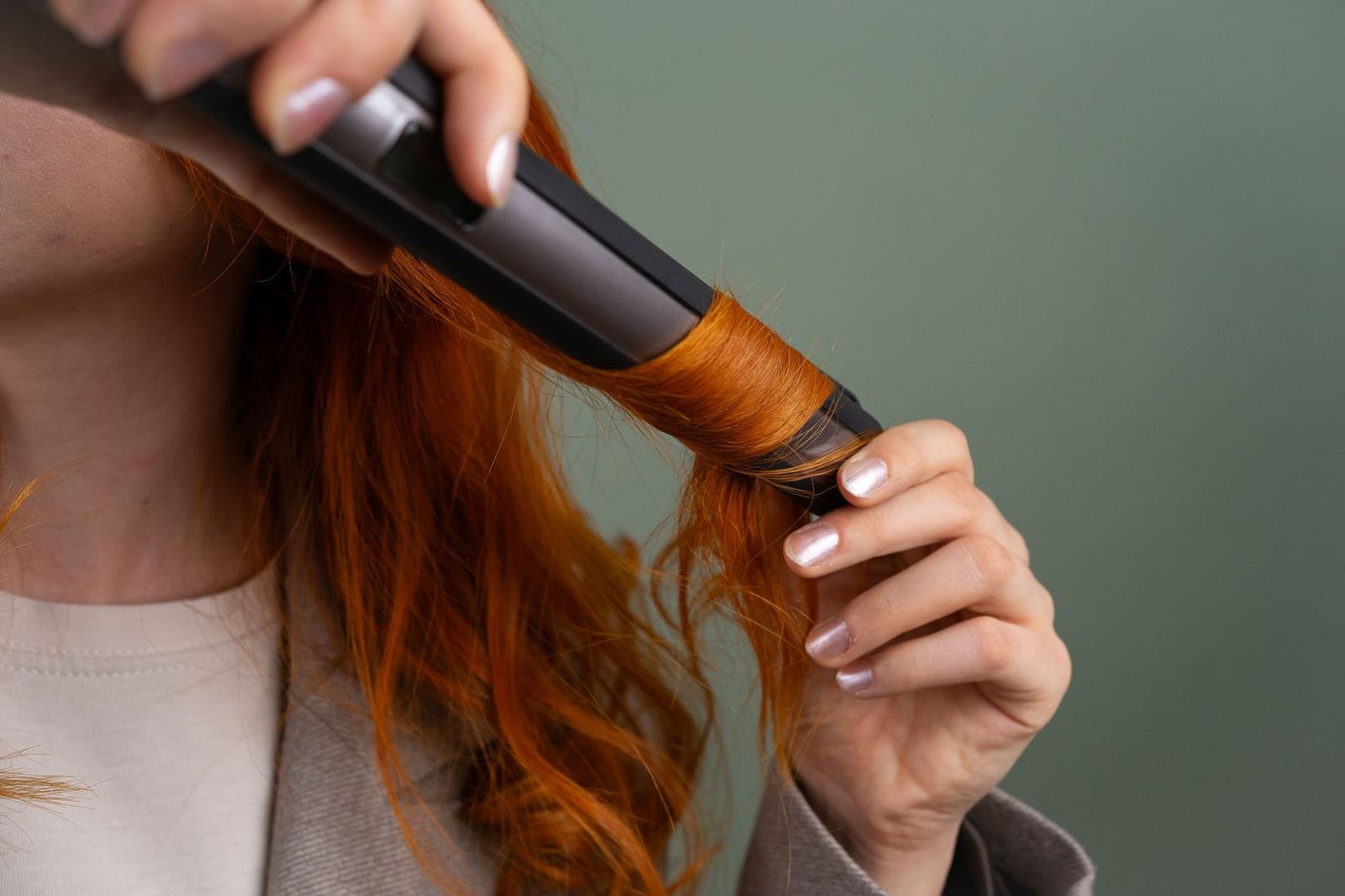
The temperature rules stay the same for a flat iron. The technique change is to chase the iron with a fine-tooth comb held just ahead of the plates, per the Perfect Locks guide, which keeps tension even.
Keep the iron moving, because pausing anywhere leaves a heat line. Let the hair cool fully before you decide on a second pass, since straightened hair often relaxes flatter as it cools.
Afterward, add a few drops of argan oil serum to seal in moisture. This replaces some of what the heat removed.
Heat-free curls and attachment-method cautions
Because extensions hold shape well, heatless methods give real results. The Perfect Locks guide lists these options:
- Flexi rods or foam rollers on barely damp hair, left to air dry.
- A silk robe-tie or heatless curling ribbon wrapped overnight for loose waves.
- Braids on damp hair: two for waves, four or more for tighter texture.
Your attachment method also changes where heat can go. The same guide gives these cautions:
- Tape-ins: keep heat away from the adhesive tabs, start irons at least an inch below the tape, and point the dryer down the hair shaft, never at the roots.
- Keratin bonds: heat melts keratin, so irons should never touch the bond area. Style from the mid-lengths down.
- Wefts: avoid running irons over the weft track and the beads holding it.
If you are still deciding how much hair to wear, read about hair extension lengths and volume before planning a routine.
Straightening curly extensions and restoring the curl
Curly human hair extensions can be straightened and can go back to curly. In the Perfect Locks article, the rule is that heat opens and relaxes the curl, and water reactivates it.
The same article recommends 300-350°F for most curly extensions and warns that going above 350°F can permanently damage the cuticle. It also suggests ironing each 1-inch section twice at most.
To bring curls back, mist the hair lightly with water, scrunch in a little curl cream or leave-in conditioner, and let it air dry. Within an hour the curl pattern should return. For a gentler option, the article suggests trying a smoothing blowout before a flat iron.
Frequently asked questions
Can you straighten and curl human hair extensions?
Show answer
Yes. The Perfect Locks guide says you can curl, straighten and blow dry 100% Remy human hair extensions, using lower temperatures and real heat protection.
Do I need heat protectant every time?
Show answer
Yes. The same guide says to apply it every single time, because extensions cannot rebuild what heat removes.
Is a blow dryer safe on extensions?
Show answer
Yes, on medium heat with the dryer always moving. The Perfect Locks guide says concentrated hot air on one section does the same damage an iron does.
How do I know if my extensions are heat-safe?
Show answer
Check the packaging or the brand’s website, then test a small strand at the lowest setting. The Lauren Ashtyn Collection warns never to assume that all synthetic wigs are heat-safe.