
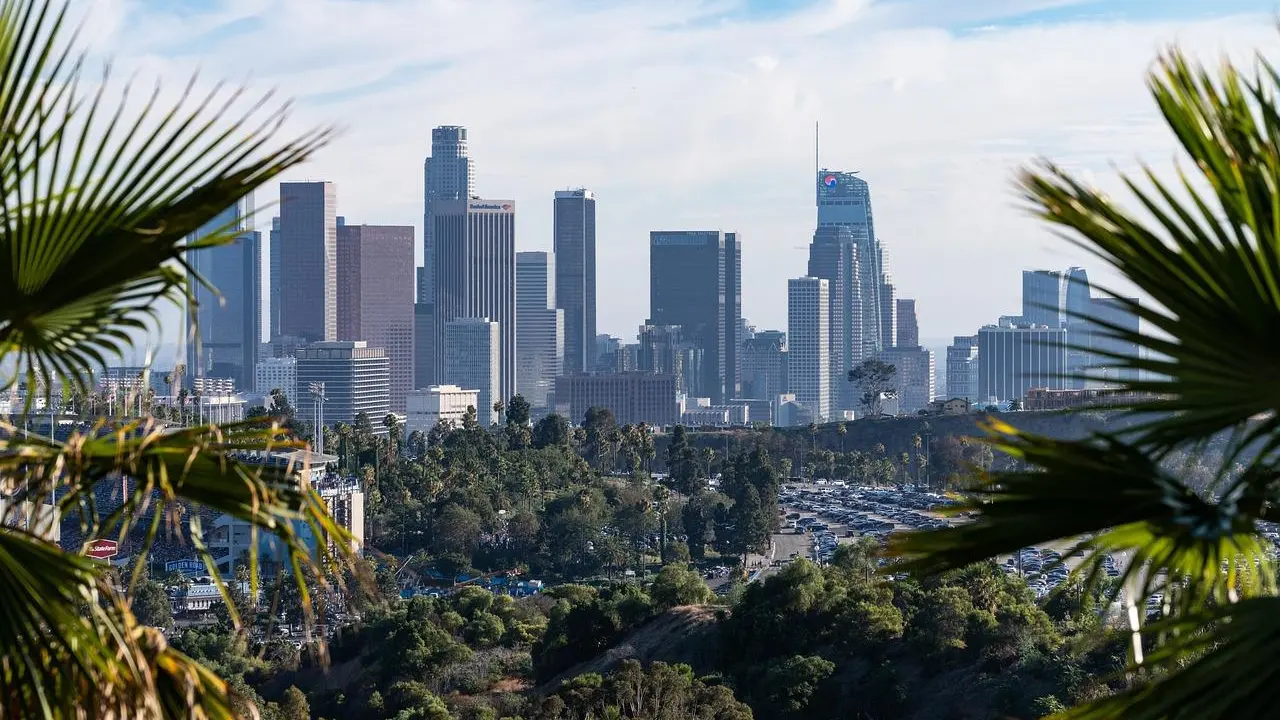
Planning hair extensions in Los Angeles? Start with a licensed stylist, a clear idea of the upkeep, and a look at your local water. This guide walks you through each step.
| Item | Value |
|---|---|
| Hardness reading for the main city water system | 112 PPM (6.5 GPG) |
| Citywide weighted average hardness | 157 PPM (9.2 GPG) |
| Matched water systems serving the city | 25 systems across 56 ZIP codes |
| Constituents LADWP tested for in 2025 | 240 |
| Tests LADWP ran on water samples in 2025 | More than 100,500 |
These figures come from WaterHardness.org’s Los Angeles page (dataset updated March 9, 2026) and the LADWP 2025 Drinking Water Quality Report Summary. Figures can change, so check the source before you rely on them.
Planning hair extensions in Los Angeles: where to begin
Extensions are a styling choice and a maintenance commitment. Before you book anything, settle on the method, the budget and the aftercare you can realistically keep up.
A short checklist helps you stay in control of the consultation:
- Method: temporary or longer-wear, and how each one attaches to your own hair.
- Hair type: the texture, colour and length that will blend with yours.
- Upkeep: how often you will need maintenance visits and what home care involves.
- Budget: the full cost over time, not only the first appointment.
- Lifestyle: sun, pool, gym and sleep habits that affect how the hair wears.
If you are still comparing methods, the types of hair extensions overview explains how they differ. When you are ready to talk to a stylist, bring a written list, and use the questions to ask before getting hair extensions as a starting point.
This site is independent and educational. It does not book appointments, take enquiries or recommend a specific salon, so use it to prepare and then decide for yourself.
Licensing and salon checks in California
The California Board of Barbering and Cosmetology says that anyone who provides listed services to consumers for a fee must be licensed by the Board and work only in State-licensed shops. That list includes hairdressing and styling, haircutting, shaving, manicuring, electrolysis and skin care, according to the Board’s About publication, revised October 2018.
The same publication notes that the Board does not regulate hair braiding or the sale, fitting or styling of wigs. So the rules can differ depending on the exact service, which is why it is worth asking directly.
Here is a practical way to check a salon before you sit down:
- Ask which license the person doing your hair holds.
- Look for the license on display, since the Board’s rules include a display requirement for licenses.
- Notice whether the space looks clean and organised.
- Ask who will handle colour, cutting and blending, and who will do any follow-up visits.
The Board also licenses the salons themselves, and its inspectors visit shops to check that licensees follow health and safety laws. The Board’s 2026 Act and Regulations publication covers legislation enacted through January 2026, but it states that it does not have legal effect, so the law itself takes precedence (see the Board’s Act and Regulations).
For a fuller method, read how to choose a hair extension stylist, which covers consultations, portfolios and red flags.

What Los Angeles water hardness means for your hair
Water hardness measures calcium and magnesium minerals. WaterHardness.org stresses that it is not a drinking-water safety score, and that address-level results can shift by pressure zone, supply blend, building plumbing or private well (see its Los Angeles page).
The numbers for the city
For the main city system, Los Angeles Department of Water and Power, the page displays a reading of 112 PPM (6.5 GPG), classified as moderately hard. That system lists a source year of 2024 and serves 3,875,566 people, according to WaterHardness.org.
The same page gives a citywide weighted average of 157 PPM (9.2 GPG), classified as hard. That average rolls up 25 matched water systems across 56 ZIP codes, so it can hide big differences from one neighbourhood to the next.
Why your own address matters
The page lists other systems with very different readings. Long Beach Utilities Department shows 103 PPM, while the San Gabriel Valley Water Co.-El Monte system, which draws on groundwater, shows 290 PPM and is classed as very hard (WaterHardness.org).
For moderately hard water, the page says you may notice minor spotting on dishes or a slight film on faucets. It also says a home test gives the address-level number.
What this means for extensions is a question for your stylist rather than a rule. You can ask whether your water type should change how you wash and rinse the hair. For the haircare side, see los angeles hard water hair care.
What LADWP’s 2025 report adds
Hardness tells you about minerals, not safety, so it helps to read the utility’s own compliance summary too. In the 2025 Drinking Water Quality Report Summary, LADWP says it tested for 240 constituents and performed more than 100,500 tests in 2025.
The report states that LADWP met and complied with all the primary drinking water standards in 2025. It also lists reported deficiencies, which is useful context rather than a reason to worry about your hair.
- In January 2026, chlorate was detected above the California notification level of 800 parts per billion at two tanks, which were then drained and cleaned.
- Two reservoirs had roof deficiencies identified by the State Water Board, with corrective action plans in progress.
Both items come from the same LADWP summary. Your own supplier may differ, so check the report for the system that serves your address.
Sun, climate and everyday upkeep
Day-to-day habits decide how long extensions look good. Aftercare is often the difference between a set that wears well and one that tangles or loosens early, so ask for clear instructions at your appointment.
Questions worth asking your stylist about upkeep:
- How should I wash, dry and brush the hair, and how often?
- Which products suit this method and which should I avoid?
- What should I do before swimming or a long day in the sun?
- How should I protect the hair while I sleep?
- When should I book the first maintenance visit?
Local weather can change how hair behaves day to day, and los angeles climate hair frizz looks at that in more detail. If you spend time outdoors, read how to protect hair from sun and chlorine before your next beach or pool day.
For wash routines, brushing and long-term care, the hair extension care guide goes step by step.
Budget, trends and tipping
Cost depends on the method, the hair and the salon, and this guide does not quote prices because it has no sourced figures to give. For a breakdown, read how much do hair extensions cost in los angeles.
If you are still deciding on a look, the los angeles hair trends page shows what is being asked for locally. A trend is only worth following if it suits your own hair and your upkeep habits.
Plan for the end of the visit as well. The page on hair salon tipping etiquette explains the norms so you are not caught off guard.
Frequently asked questions
Do I need a licensed stylist for hair extensions in California?
Show answer
The California Board of Barbering and Cosmetology says hairdressing and styling for a fee must be done by a licensed person in a State-licensed shop, per its About publication (revised October 2018). The same publication says the Board does not regulate hair braiding or wig styling, so ask which license applies to your service.
Is Los Angeles water hard?
Show answer
It depends on the system. WaterHardness.org shows 112 PPM (moderately hard) for the main city system and a citywide weighted average of 157 PPM (hard). A home test gives the number for your tap.
Is Los Angeles tap water safe to drink?
Show answer
Hardness is not a safety rating. In its 2025 report summary, LADWP states that it met all the primary drinking water standards in 2025 and also lists some reported deficiencies. Read the report for your own supplier.
Where can I report a problem at a salon?
Show answer
The Board says complaints must be in writing and can be submitted online. Issues it lists include consumer harm such as an infection, unlicensed activity, unsanitary conditions, false advertising and gross negligence, and it reports receiving more than 1,600 complaints each year (Board publication).
How do I find the hardness of my own water?
Show answer
Check your utility’s annual water quality report, or use a home test. WaterHardness.org notes that a home test gives the address-level number.