
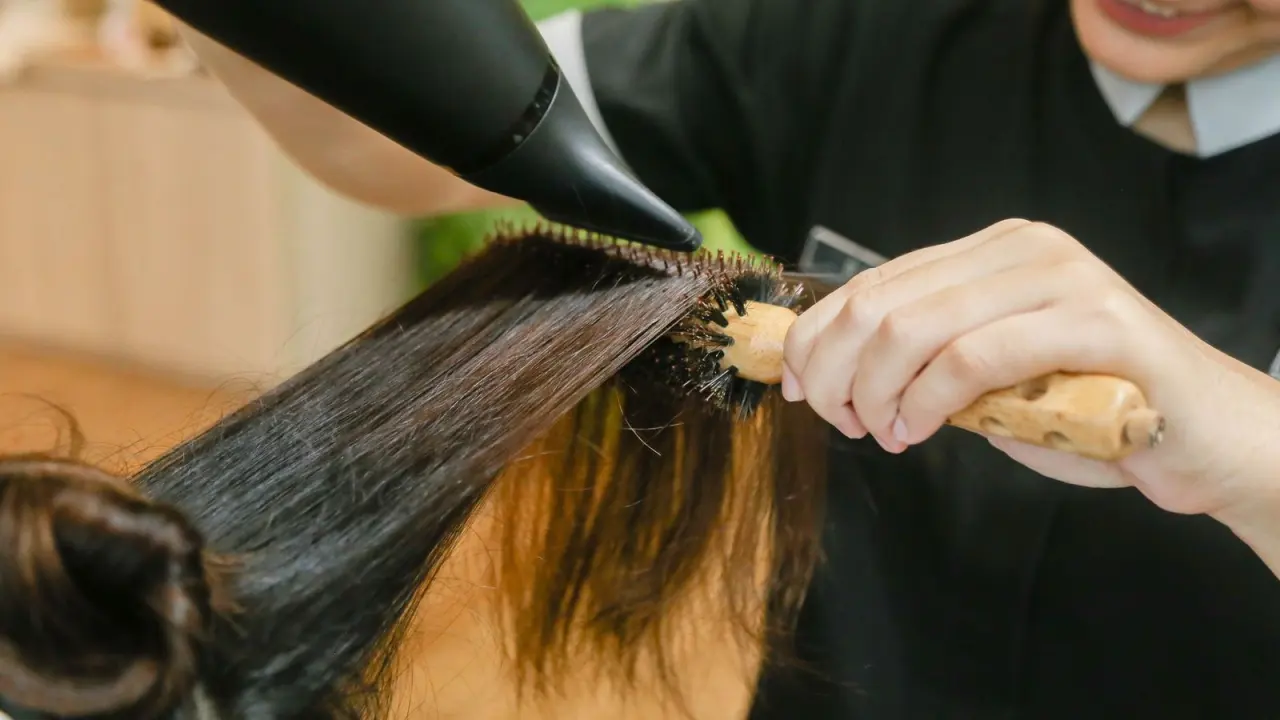
Worried a wet wash day will wreck your extensions? Here’s how to dry hair with extensions: squeeze out water gently, then air dry when you can, or blow dry on low to medium heat, always moving, and away from the bonds.
For the bigger picture on wash days, storage and styling, see our hair extension care guide.
| Item | Value |
|---|---|
| Ideal range for hot styling tools | 250-300°F |
| Hard ceiling for occasional heat use | 350°F |
| Blonde or colored extensions (hot tools) | 250-275°F |
| Blow dryer setting | Medium heat, always moving |
| Blow drying near tape-in or weft glue | Cool air |
These figures come from one extension retailer’s heat styling guide and a Glam article on blow drying versus air drying. Guidance can change and varies by brand, so check the source and your extension maker’s instructions before you rely on the figures.
Air drying or blow drying: which is better for extensions?
Air drying is the gentler default. One Glam guide says that in most cases it’s best to choose a natural approach over a blow dryer, citing the Cleveland Clinic point that hair is most vulnerable when wet.
Blow drying isn’t off-limits, but it has more ways to go wrong. The same guide warns that a blow dryer can cause tie-ins to melt and deform, and that too much heat can damage the extensions themselves.
Air drying has its own catch. Water left in the glue or tape area can weaken the hold and cause loosening over time, so tape-in and weft wearers are advised to blow dry with cool air near the glue.
Before you dry: take the water out gently
Whichever method you choose, start with a microfiber towel. Color Wow’s care guide says to gently squeeze out excess water and pat dry, never rub, and to detangle before fully air drying.
- Squeeze water out of the lengths with the towel, working downward.
- Pat, don’t rub, so you don’t rough up the cuticle or tug the bonds.
- Detangle gently, starting at the ends, before the hair is fully dry.
- Choose your drying method based on the extension type (see below).
Hold off on the brush, too. Perfect Locks’ care guide says never to brush extensions when soaking wet, because hair is weakest when saturated: wait until it’s at least 80% dry, or use a wide-tooth comb very gently on damp hair.
If drying problems start at the sink, read our guide on how to wash hair extensions before you adjust your drying routine.
How to blow dry extensions safely
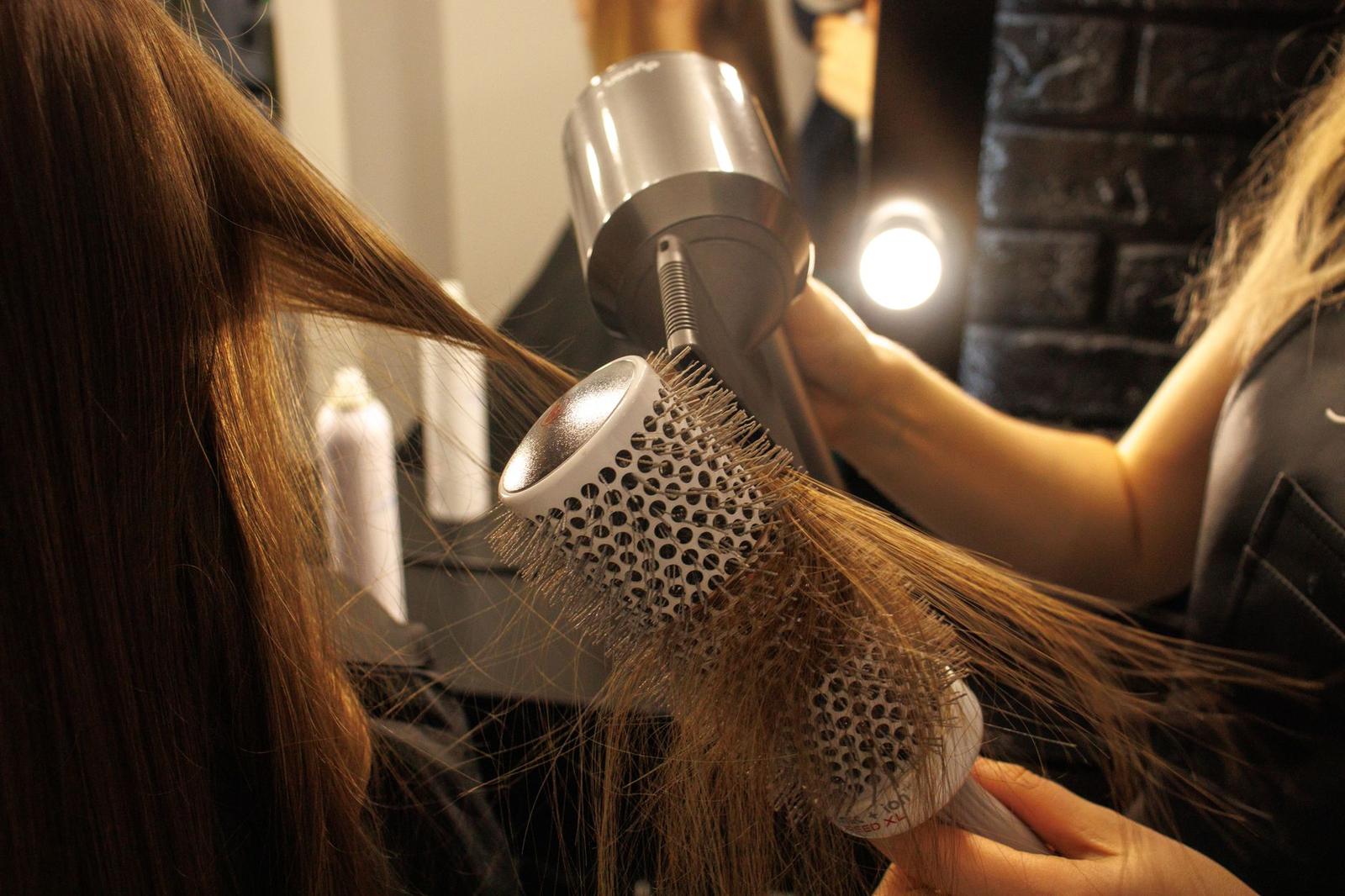
If you do use a dryer, keep it moving. The Perfect Locks heat guide says to blow dry on medium heat with the airflow pointed down the hair shaft, because concentrated hot air on one section does the same damage as an iron.
- Start with towel-dried, detangled hair.
- Mist heat protectant through the mid-lengths and ends if you use any hot tool.
- Set the dryer to medium heat and point the airflow down the hair shaft.
- Keep the dryer moving and keep hot air off the bonds.
- Switch to cool air near tape or glue.
On protection, Perfect Locks’ care guide calls heat protectant non-negotiable if you use any hot tools. Extensions don’t get the natural scalp oils your own hair does, so they have little ability to recover.
Temperature limits matter more when you follow the dryer with an iron or curler. The heat guide gives 250-300°F as the ideal range and 350°F as a hard ceiling for occasional use, and says blonde or colored extensions should stay at 250-275°F.
Drying by extension type
The right method depends on how your extensions are attached, so check which type you wear.
- Tape-ins and wefts: blow dry with cool air near the glue so water doesn’t settle, as Glam advises. The heat guide adds that you should point your dryer down the hair shaft, never at the roots.
- Keratin (fusion) bonds: heat melts keratin, so hot dryer air shouldn’t be concentrated at the roots, according to the same heat guide.
- Human hair wefts and tape-ins from one brand: Christian Michael’s guide says you can air dry or use a blow dryer on low heat, and keep it moving to avoid heat damage.
- Synthetic extensions: lay them flat on a clean towel and let them air dry completely, with no heat tools, per the same Christian Michael guide.
Unsure whether to combine both methods? The Glam article suggests asking your own hairstylist after your extensions appointment, since the right mix varies by type.
Drying mistakes that shorten extension life
Most drying damage comes from a handful of habits, and all are easy to fix.
- Rubbing hair with a towel instead of patting.
- Brushing while the hair is soaking wet.
- Aiming hot air at tape tabs, beads or keratin bonds.
- Holding the dryer in one spot.
- Going to bed with damp hair.
That last one deserves a note. Color Wow says never to go to bed with wet hair, and suggests a loose braid or low ponytail and a silk or satin pillowcase to reduce friction.
For a wider look at protecting your set, see our piece on how to prevent hair extension damage.
Frequently asked questions
Can I let my extensions air dry overnight?
Show answer
Not while they are wet. Color Wow’s guide says never to go to bed with wet hair; let them dry first, then braid loosely.
Is it safe to blow dry tape-in extensions?
Show answer
Yes, with care. Use cool air near the glue, as Glam advises, and point the dryer down the hair shaft rather than at the roots.
Can I use a hair dryer on synthetic extensions?
Show answer
One brand guide says never to use heat tools on synthetic hair, as that will ruin it. Air dry them flat on a clean towel instead.
When can I brush extensions after washing?
Show answer
Wait until they are at least 80% dry, or use a wide-tooth comb very gently on damp hair, per Perfect Locks.