

Worried you’ll wake up to a tangled mess? Here’s how to sleep with hair extensions: take clip-ins out, and keep installed ones dry, brushed and in a loose braid on silk.
This nighttime routine is one piece of the wider hair extension care guide.
| Item | Value |
|---|---|
| Clip-ins and halos | Take out before bed |
| Blow-dry after a night wash | At least 80% dry |
| Blow-dryer distance | At least 12 inches (30 cm) from your head |
| Hairstyle for sleep | Loose braid or low ponytail |
| Settling-in feel for fusion extensions | First 3 days |
These figures come from the Perfect Locks knowledge base and the I Love Slavic Hair guide. They can change, so check the source before you rely on them.
Which extensions come out at night?
It depends on how your extensions attach. Perfect Locks’ help centre says clip-ins and halos should come out before bed, because sleeping in them wears out both the extensions and your own hair (source).
Bombay Hair’s guide agrees. It calls sleeping in clip-ins the fastest way to tangle and stress the wefts and your own hair, and notes the clips can tug at your roots as you move (source).
- Clip-ins and halos: brush them gently, then lay them flat or hang them up.
- Tape-ins, sew-ins and other installed types: they stay in overnight, so the prep below matters more.
Bombay Hair says tape-ins and other semi-permanent types need a slightly different routine, which is what the rest of this guide covers.
Prepare your extensions before bed
A few minutes of prep decides how the morning goes. Start with a gentle brush-through: Lauren Ashtyn’s guide suggests a loop brush or a soft-bristle extension brush, working in two to three sections from the ends upward (source). The same guide warns that the wrong brush or too much force can pull at bonds and wefts.
If knots are already stubborn, this guide on how to detangle hair extensions covers the next step.
Next, check that everything is dry. Perfect Locks says wet hair mats overnight, and that if you wash at night you should blow dry at least 80% of the way (source).
Keep the heat gentle while you dry. I Love Slavic Hair advises holding the blow-dryer at least 12 inches (30 cm) from your head and avoiding maximum temperature, which it says could melt keratin bonds (source). Vinci Hair Clinic adds that a heat protectant and a low setting help limit damage (source).
Vinci Hair Clinic also warns against brushing extensions while they are wet, since that can lead to severe damage and breakage.
One more option is a bedtime conditioner. I Love Slavic Hair suggests applying it to the middle and ends only, spread evenly so it stays off the bonds, tapes and wefts (source).
Protect your hair while you sleep
Movement is what tangles extensions overnight. Vinci Hair Clinic says a loose braid or low ponytail stops the hair moving around and reduces friction as you toss and turn (source). It adds that newly attached extensions can feel tight, and a braid or low ponytail eases the pull on the attachments.
Choose a soft tie. Vinci Hair Clinic prefers one to avoid snagging, tension or breakage, and I Love Slavic Hair recommends silk scrunchies over cotton elastic bands.
Your pillowcase matters too. Vinci Hair Clinic says tossing and turning can get extensions intertwined in cotton fibres, while a silk pillowcase helps reduce the tugging and friction. Perfect Locks recommends silk or satin.
A silk bonnet is the alternative. Blissy’s guide says the best sleep caps are made of silk (source). Silk accessories are sold by many of the retailers that publish these guides, so treat the claims as retailer advice rather than lab results.
A step-by-step bedtime routine
Put together, the advice above makes a short routine you can run on autopilot.
- Remove clip-ins and halos, brush them gently, and store them flat or hung.
- Brush installed extensions in sections with a loop or soft-bristle brush.
- Make sure your hair is fully dry, using low heat if you washed it that evening.
- Smooth a little conditioner through the mid-lengths and ends, keeping it off bonds and tapes.
- Gather your hair into a loose braid or low ponytail with a soft tie.
- Lie down on a silk or satin pillowcase, or wear a silk bonnet.
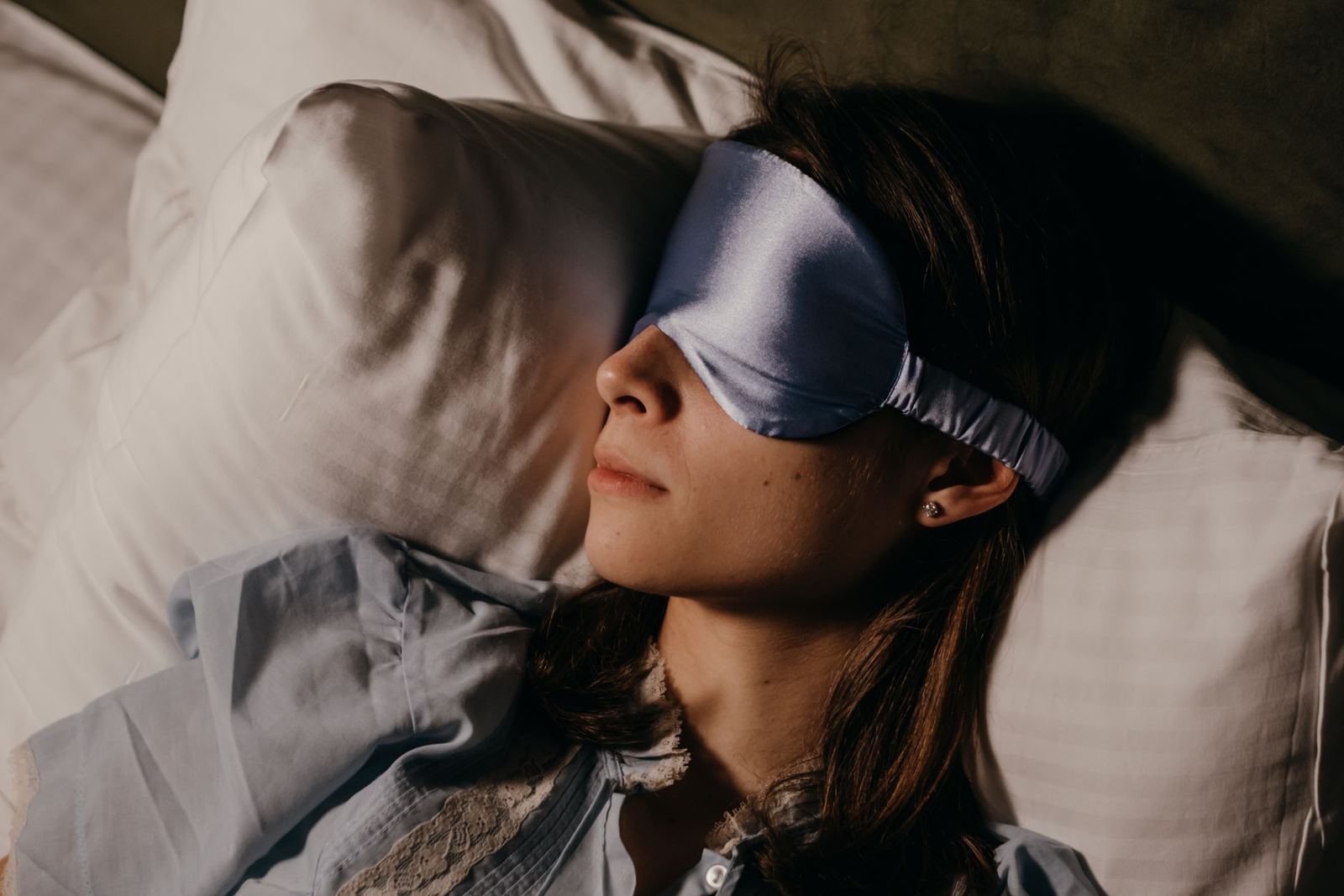
Habits like these feed into the bigger question of how long do hair extensions last. Lauren Ashtyn’s guide says nighttime is when the most damage can happen (source).
What if sleeping in extensions hurts?
Some strangeness at first is normal. I Love Slavic Hair says that during the first 3 days after fusion extensions go in, your head may feel as if it is resting on beads, and that this usually goes away quickly (source).
The same guide lists signs that something went wrong:
- A feeling that bonds or tapes are pulling at your own hair.
- An itchy scalp, sometimes with a rash.
It links these to bonds placed too close to the scalp or strands that are too large or heavy. If the discomfort does not fade, raise it with the stylist who installed the extensions rather than sleeping through the pain.
Frequently asked questions
Can I sleep in clip-in extensions?
Show answer
Sources advise against it. Perfect Locks says clip-ins and halos should come out before bed, and Bombay Hair says sleeping in them tangles the wefts and stresses your own hair.
Is it okay to sleep with wet extensions?
Show answer
No. Both Vinci Hair Clinic and Bombay Hair advise against it, and Perfect Locks notes that wet hair mats overnight. Dry them fully before you lie down.
Do I need a silk pillowcase?
Show answer
It is not mandatory, but several sources recommend silk or satin to cut friction. A silk bonnet and a loose braid do similar work if you prefer to keep your existing bedding.
Is it normal for new extensions to feel odd at night?
Show answer
Briefly, yes. I Love Slavic Hair describes a beads-under-the-head feeling in the first 3 days with fusion extensions. Pulling, itching or a rash beyond that points to a problem worth checking.